
Kyoto in Two Days: Temples, Neighborhoods and Time to Slow Down
Build your Kyoto visit around a few meaningful stops, with time for walking, tea and the city beyond the busiest photograph spots.
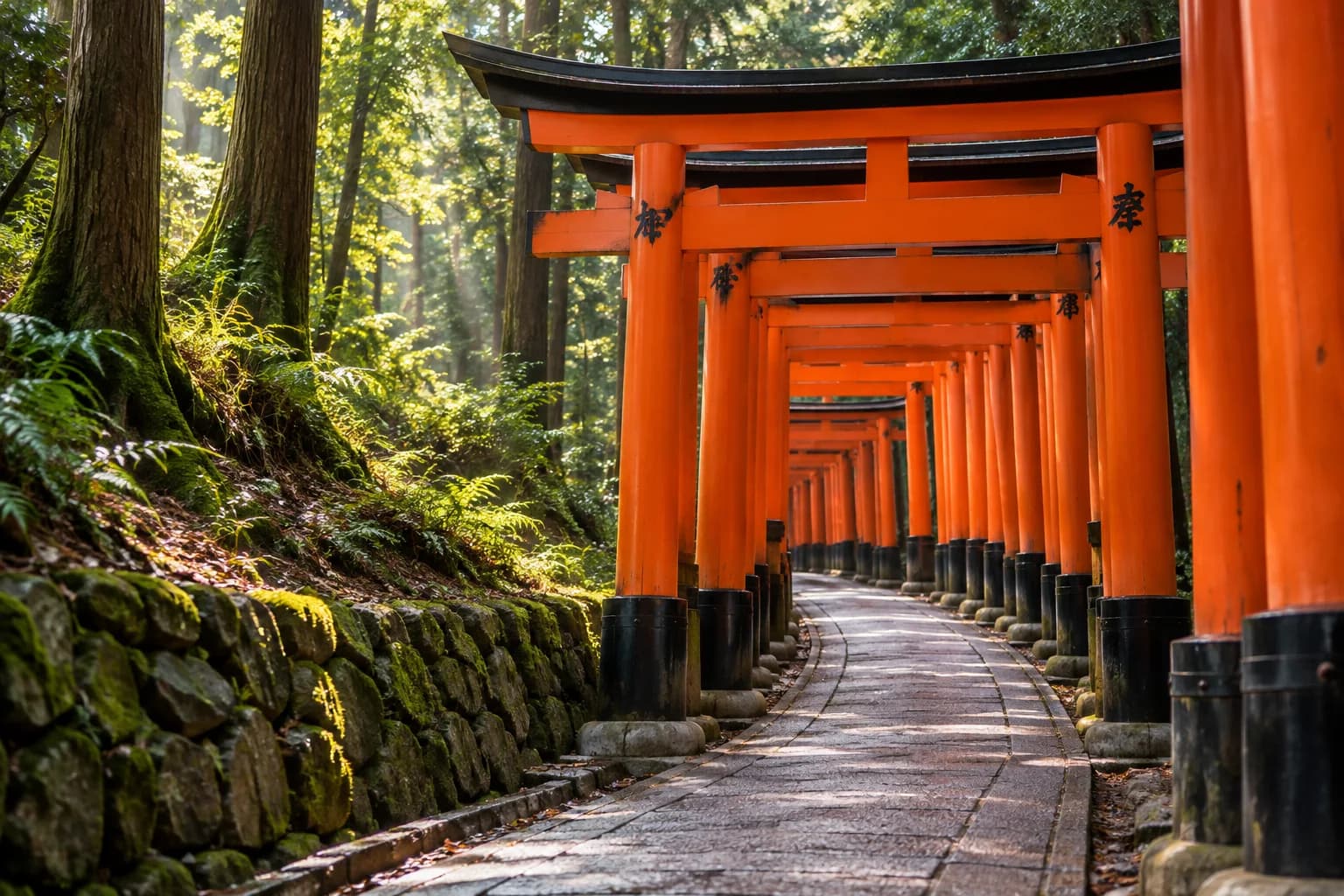
Kyoto rewards attention more than speed. A small garden, the sound of gravel underfoot or a quiet pause over tea can stay with you longer than a day of temple gates viewed through a camera. With two days, divide the city into workable areas and accept that you will leave some famous places for another trip. This route pairs southern and eastern Kyoto on the first day, then gives Arashiyama a morning of its own.
Day one, morning: choose your own pace at Fushimi Inari
Begin at Fushimi Inari Taisha and decide how much walking you want to do before setting off. You do not need to turn a shrine visit into an endurance challenge. Leave enough time to return comfortably, and keep narrow paths open when you stop.
This is an active sacred site. Its visitor guidance asks people not to obstruct worshippers with photography, enter restricted areas or eat outside designated rest areas. Follow the instructions on the ground even if someone nearby is doing something different. A respectful visit gives you more room to notice the place itself.
Further reading: Fushimi Inari Taisha: Requests for visitors.
Day one, afternoon: give eastern Kyoto room
Travel to the eastern side of the city for the next part of your day rather than trying to walk every transfer. Use the official destination map to select a small area around Gion and Kiyomizu, and choose one temple or cultural stop that interests you. Then allow time for the neighborhood between the landmarks.
Check the opening arrangements of your chosen attraction before you arrive. Keep the late afternoon flexible: a slope, a queue or a longer-than-expected lunch can change the rhythm of a walking day. An unhurried stop is a better use of the afternoon than hurrying toward a gate that is about to close.
Further reading: Kyoto City Tourism Association: Destination and area planning.
Day two: spend the morning in Arashiyama
Arashiyama sits in northwestern Kyoto, so treat it as a separate excursion rather than a quick addition to an eastern-city walking route. The bamboo forest and Togetsu-kyo Bridge are well-known starting points. Choose a short loop that includes a place to pause, and resist stacking every nearby attraction into the same morning.
Kyoto’s official area guide also points visitors beyond the busiest sights toward Saga and Okusaga. If you want to explore farther, check the distance and return transport before extending your walk. If you prefer a gentler day, stop for lunch and enjoy the area you have already reached.
Further reading: Kyoto City Tourism Association: Saga and Arashiyama area guide.
Leave one afternoon open for food or a personal interest
Keep the second afternoon for something you actively want to do: browsing a craft shop, visiting a specific exhibition or having a long meal. This is also the useful space in the itinerary if the weather forces you to swap the two mornings.
If you choose Nishiki Market, eat where you buy your food rather than walking through the narrow market while eating. Ask the shop where to dispose of packaging. Around Gion, obey photography restrictions and private-property signs; the fact that a street appears in a travel photograph does not make every lane open to visitors.
Further reading: Kyoto City Tourism Association: Responsible travel in Kyoto, Japan National Tourism Organization: Kyoto destination guide.
A few habits that make the visit easier
Before leaving your hotel, choose your next destination and the journey home. Save the address in Japanese as well as the map pin. Avoid making a crowded pavement your planning desk: step somewhere appropriate before opening maps, reorganizing bags or gathering your group.
Travel with what you need for the day and keep the schedule loose enough to sit down when you need a break. Kyoto’s attractions are not interchangeable boxes to tick. Choose fewer stops and give yourself a chance to remember them.
- Use designated public routes and respect closed lanes.
- Keep luggage out of a sightseeing walking day when possible.
- Check the current attraction calendar and weather before leaving.
- Ask before photographing someone at close range.
A successful short visit to Kyoto does not need a long list of completed sights. Two well-chosen days can hold a shrine walk, an unfamiliar neighborhood, a good meal and the feeling that you made room for the city rather than simply moving through it.
Plan the route, then the data.
Compare Japan-ready eSIM plans by data and validity, then install before you leave home so maps and directions work from the first train.